
When we clean wastewater, the second step (called "secondary treatment") is where most of the real cleaning happens. Its main job is to break down the invisible waste dissolved in the water using tiny microbes. Different methods can be used for this, each with its own pros and cons.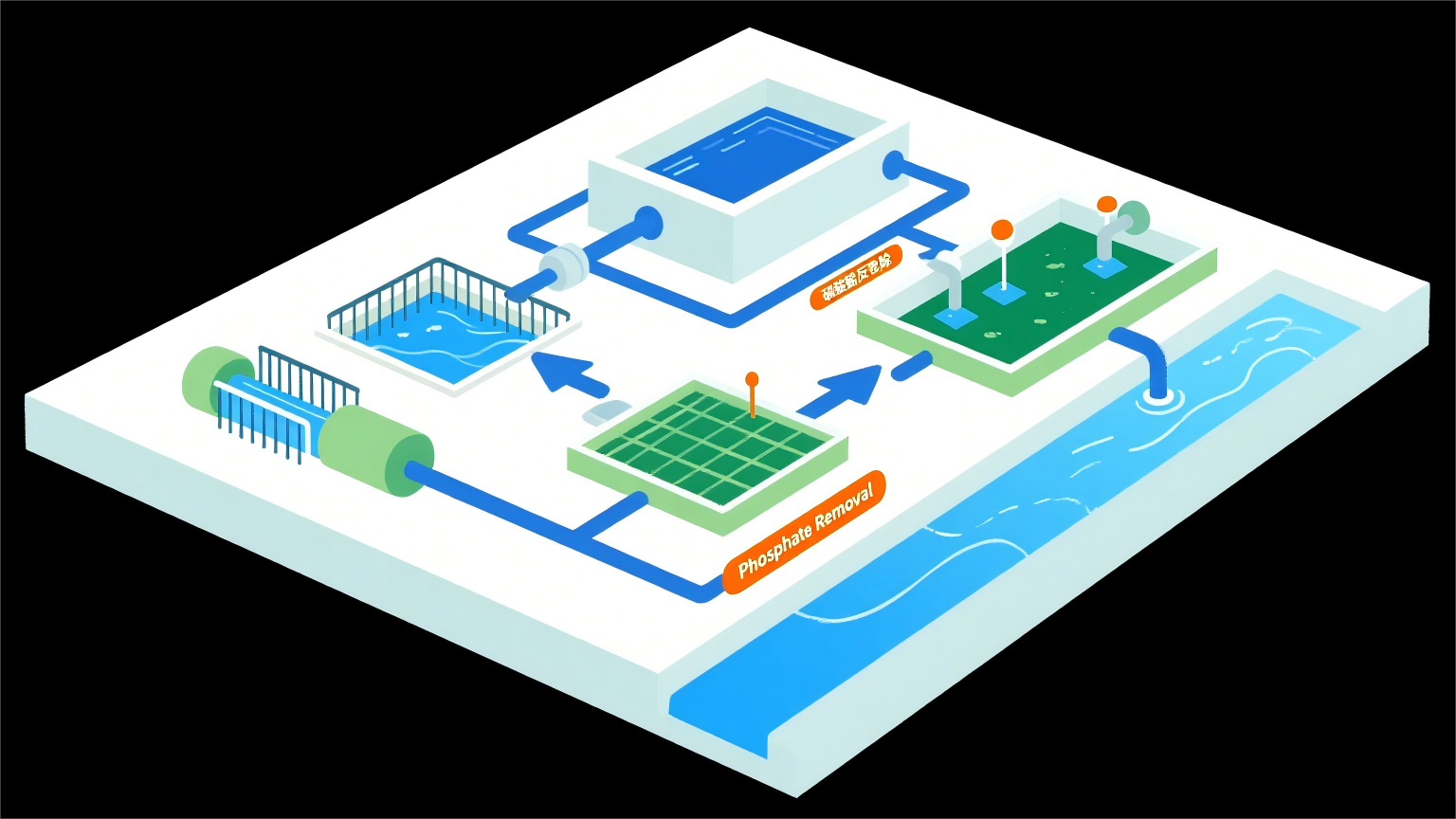
1. The Activated Sludge Process
This is the most common and classic method.
The Good:
It works very well. It reliably removes over 90% of the organic waste, making the water much cleaner.
We know it inside and out. It's a tried-and-true technology, so many engineers are familiar with how to design and run these systems.
It's flexible. Operators can adjust it to handle changes in the amount or strength of the wastewater coming in.
The Bad:
It uses a lot of energy. The process needs a lot of air pumped into the water to keep the microbes happy. This makes electricity a major operating cost. The heart of this is the aeration system.
It takes up a lot of space. The tanks needed are very large.
It makes a lot of leftover sludge. The microbes multiply and create extra biological material that itself must be collected and disposed of, which costs more money.
It can be sensitive. Sudden changes in the wastewater can upset the microbial community and slow down the cleaning process.
In these systems, microbes grow on surfaces (like plastic pieces) instead of floating freely.
The Good:
Compact and sturdy. These systems can handle a lot of waste in a smaller space. The microbes are attached, so they are less likely to be washed out by changes in the wastewater.
Less leftover sludge. They tend to produce less excess biological material than the activated sludge method.
The Bad:
Can get clogged. The surfaces that the microbes grow on can sometimes get blocked, requiring extra cleaning steps.
Can be expensive upfront. The special plastic media (the surfaces for microbes to grow on) can cost more initially.
The Key Player: The Aeration System
For the Activated Sludge process to work, you need to pump air into the water efficiently. This is where technology has made a big difference.
Older aeration methods, like big open pipes, were not very efficient and wasted a lot of energy. A much better way is to use fine bubble diffusers. These devices create thousands of tiny bubbles, which transfer oxygen into the water much more effectively than large bubbles. This higher efficiency means the blowers (the pumps that push the air) don't have to work as hard, saving a huge amount of energy.
The two most common types of these diffusers are:
Disc diffusers: These look like round plates sitting on the bottom of the tank and they create a even curtain of tiny bubbles.
Tube diffusers: These are long cylindrical tubes that are also placed on the tank bottom. They are often easier to install or replace without draining the tank.
The Bottom Line
There's no single perfect way to clean wastewater. The Activated Sludge process is reliable but hungry for energy. Biofilm systems are tougher and more compact but can have their own issues. The good news is that improving the aeration system—by using modern fine bubble diffusers—is one of the best ways to tackle the biggest downside of the most common method. Investing in an efficient aeration system is a smart move that saves money on energy bills for years to come.


